
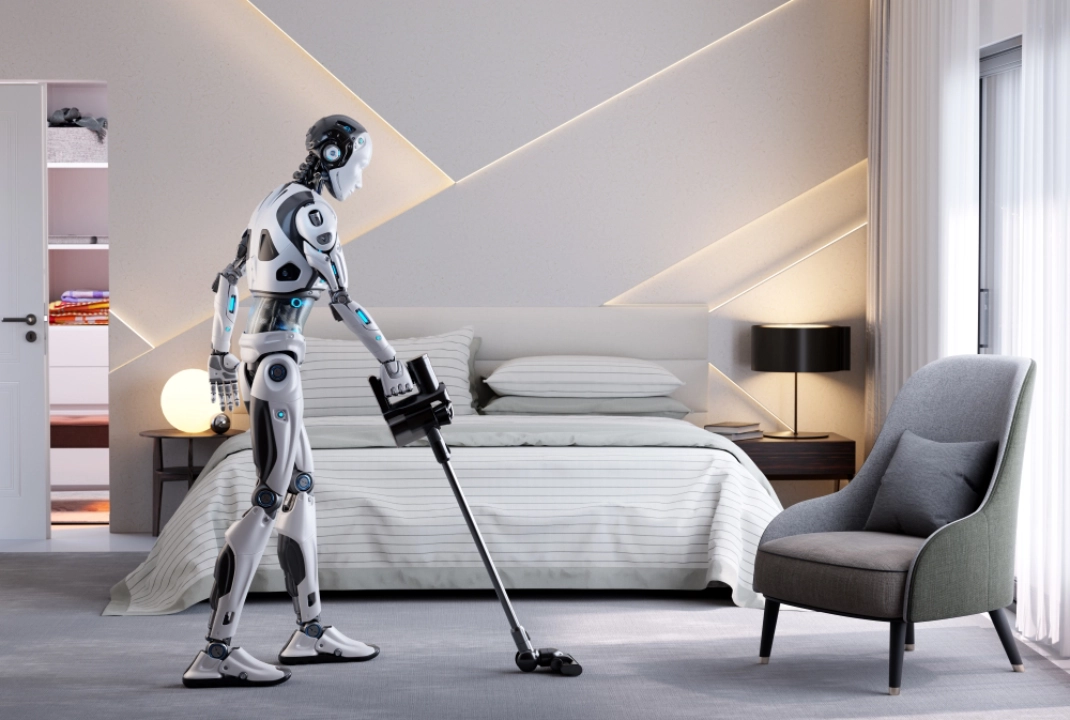
The humanoid robots for home use in 2026 are becoming a reality as technology continues to improve rapidly. What once seemed like science fiction is now slowly entering everyday life, especially in developed regions like the USA and UK, where smart home adoption is growing fast. People are now searching for robots that can help with daily tasks, assist elderly family members, and even provide companionship. These humanoid robots are designed to look and behave like humans, making interaction easier and more natural compared to traditional machines.
What is Humanoid Robots ?
The humanoid robots refers to a list of advanced robots designed to assist humans in daily household activities while maintaining a human-like appearance and interaction style. These robots combine artificial intelligence, robotics, and sensors to understand commands and respond accordingly. Unlike industrial robots, humanoid robots are built for personal use, focusing on convenience, safety, and user-friendly interaction. Their main goal is to make daily life easier by handling simple tasks and providing assistance when needed.
Features of Humanoid Robots
The humanoid robots for home use come with several advanced features that make them suitable for everyday environments. They include voice recognition, allowing users to give commands naturally, and facial recognition to identify family members. Many robots are equipped with cameras and sensors to navigate safely around the house. They can connect with smart home devices, control lights or appliances, and provide real-time updates. Some models also include emotional interaction features, making them feel more like companions than machines.
How it Works
The humanoid robots for home use operate using a combination of artificial intelligence, sensors, and machine learning algorithms. These robots collect data from their surroundings using cameras and sensors, process it using onboard AI systems, and respond accordingly. They can understand voice commands, learn user preferences over time, and improve their performance. Most humanoid robots are connected to cloud systems for updates but can perform many functions locally. This combination of hardware and software allows them to interact naturally with humans.
Benefits of Humanoid Robots
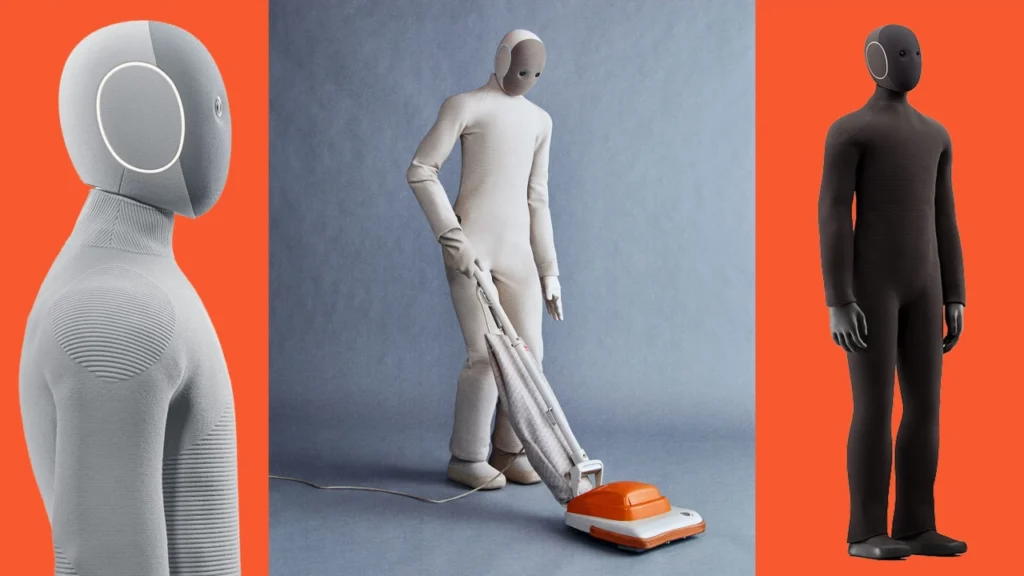
The humanoid robots for home use provide several benefits that make them valuable additions to modern homes. They can assist elderly people by reminding them about medication and helping with basic tasks. They also improve convenience by automating daily activities and reducing manual effort. For families, these robots can act as companions and provide entertainment. Additionally, they enhance home security by monitoring surroundings and alerting users about unusual activity. Overall, they contribute to a smarter and more efficient lifestyle.
Latest Updates on Humanoid Robots
The humanoid robots for home use are evolving quickly with new advancements in AI and robotics. Companies like Tesla and Honda are actively developing humanoid robots with improved mobility and intelligence. New models are focusing on better battery life, more natural movement, and improved communication skills. There is also a growing trend of integrating generative AI, which allows robots to have more meaningful conversations and assist with complex tasks.
Comparison
The humanoid robots for home use differ based on their purpose and capabilities. Some robots focus on assistance and caregiving, while others are designed for entertainment or general home automation. High-end robots offer advanced AI and mobility but come at a higher cost, while simpler models provide basic features at a more affordable price. Choosing the right robot depends on your needs, whether it is productivity, companionship, or smart home integration.
Pros and Cons of Humanoid Robots
The humanoid robots for home use come with both advantages and limitations. On the positive side, they offer convenience, improve productivity, and provide assistance in daily life. They also represent the future of home automation. On the downside, they are still expensive, have limited capabilities compared to humans, and require regular updates and maintenance. Understanding these factors is important before considering a purchase.
FAQs
What can humanoid robots do at home?
They can assist with tasks, provide reminders, control smart devices, and offer basic companionship.
Are humanoid robots safe to use at home?
Yes, most are designed with safety features like sensors and obstacle detection.
Are they affordable in 2026?
Some basic models are becoming more affordable, but advanced robots are still expensive.
Do they replace humans?
No, they are designed to assist humans, not replace them.
Conclusion
The humanoid robots for home use in 2026 show how far technology has progressed in making machines part of daily life. While they are still developing, their ability to assist, interact, and improve convenience makes them an exciting addition to modern homes. As technology continues to evolve, these robots are expected to become more affordable and capable, making them a common feature in households worldwide.
Also Read:
How to Install Local LLMs on PC
West Bengal Election Results 2026
How to Play AAA Games on Budget Laptop
Best Affordable Smart Home Hubs for Beginners