
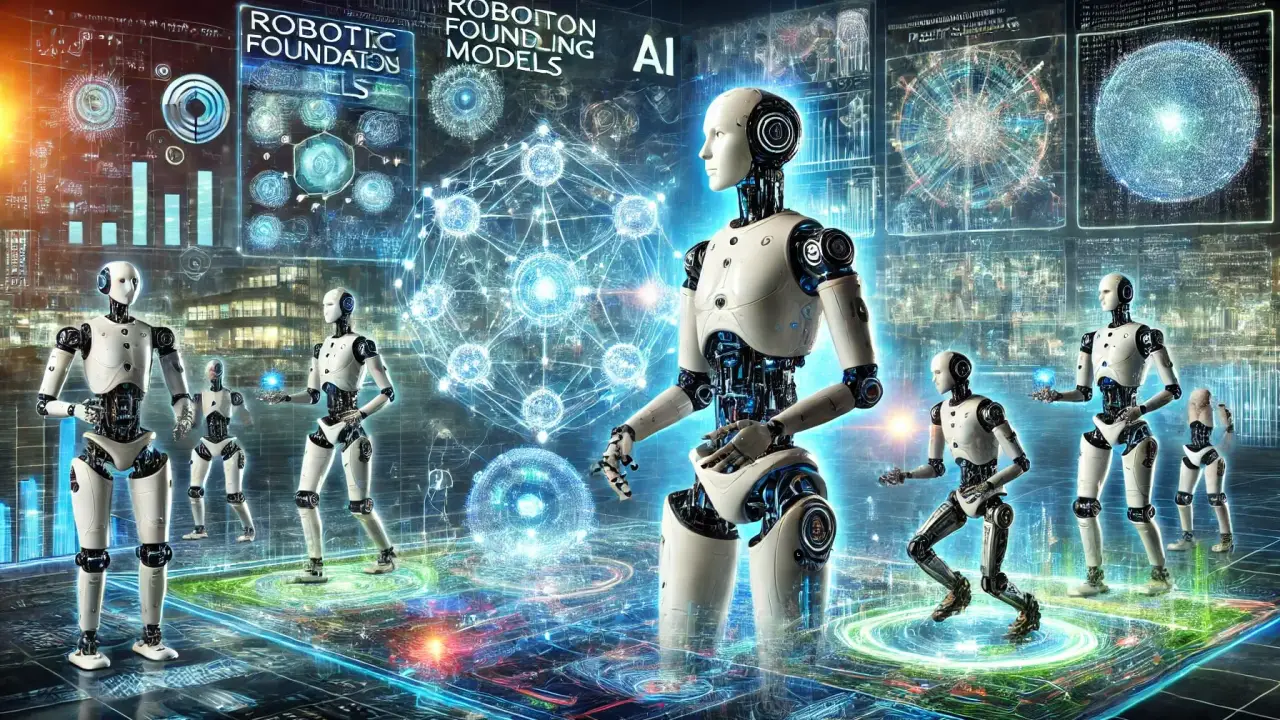
Robotics and Physical AI are redefining how machines interact with the real world. Unlike traditional software based intelligence, Physical AI focuses on enabling machines to sense, move, and respond within physical environments. From factories to homes, this combination is driving a new wave of innovation that blends digital intelligence with real-world action.
Table of Contents
What Is Robotics and Physical AI?
Robotics and Physical AI refer to the integration of intelligent algorithms with physical machines. Robotics provides the mechanical structure, while Physical AI gives these machines the ability to perceive and make decisions. Together, they allow machines to perform complex tasks with minimal human intervention.
This field draws from areas like machine learning, computer vision, and sensor technology. By combining these elements, robots can understand their surroundings and adapt to changes in real time.
Key Technologies Behind the Innovation
Several technologies power robotics and Physical AI. Sensors play a crucial role by collecting data about the environment. Cameras, LiDAR, and touch sensors help robots detect objects and navigate safely.
Another important component is machine learning, which enables systems to improve over time. Algorithms analyze data and refine decision-making processes, making robots more efficient and accurate.
Actuators are also essential, as they allow robots to move and interact physically. These components convert digital instructions into real-world actions, completing the connection between intelligence and motion.
Applications Across Industries
Robotics and Physical AI are widely used across multiple industries. In manufacturing, robots handle repetitive tasks with high precision, improving efficiency and reducing errors. In healthcare, robotic systems assist in surgeries and patient care, enhancing outcomes and safety.
The logistics sector also benefits from automated systems that manage warehouses and deliveries. Even in households, smart robots are being used for cleaning, security, and assistance, making daily life more convenient.
Benefits of Robotics and Physical AI
One of the biggest advantages of robotics and Physical AI is increased productivity. Machines can work continuously without fatigue, leading to faster and more consistent results. They also reduce the risk of human error, especially in tasks that require high precision.
Safety is another major benefit. Robots can perform dangerous tasks, such as handling hazardous materials or working in extreme environments, reducing risks for human workers.
Additionally, these technologies can help address labor shortages by automating tasks that are difficult to fill with human workers.
Challenges and Limitations
Despite their advantages, robotics and Physical AI face several challenges. High development and implementation costs can be a barrier for many organizations. Building and maintaining advanced robotic systems requires significant investment.
Another challenge is adaptability. While robots are becoming more intelligent, they may still struggle in unpredictable environments. Ensuring reliable performance in dynamic conditions remains a key focus for researchers.
There are also concerns about job displacement, as automation may replace certain roles. However, it also creates new opportunities in technology development and maintenance.
Future of Robotics and Physical AI
The future of robotics and Physical AI looks promising. Advances in artificial intelligence and hardware design are expected to make robots more capable and accessible. Technologies like edge computing and 5G connectivity will further enhance real time decision making.
In the coming years, we may see robots becoming more integrated into everyday life, from personal assistants to autonomous vehicles. These developments will continue to reshape industries and redefine human-machine collaboration.
Impact on Society
Robotics and Physical AI are not just technological advancements they are shaping society as a whole. They have the potential to improve quality of life by automating routine tasks and enabling more efficient services.
At the same time, it is important to address ethical and regulatory concerns. Ensuring responsible use and fair distribution of benefits will be key to maximizing the positive impact of these technologies.
Conclusion
Robotics and Physical AI are at the forefront of technological innovation, bridging the gap between digital intelligence and the physical world. Their applications across industries highlight their transformative potential. While challenges remain, ongoing advancements are paving the way for a future where intelligent machines play a vital role in everyday life. By embracing these technologies responsibly, society can unlock new levels of efficiency, safety, and progress.
Also Read : Quantum Computing