
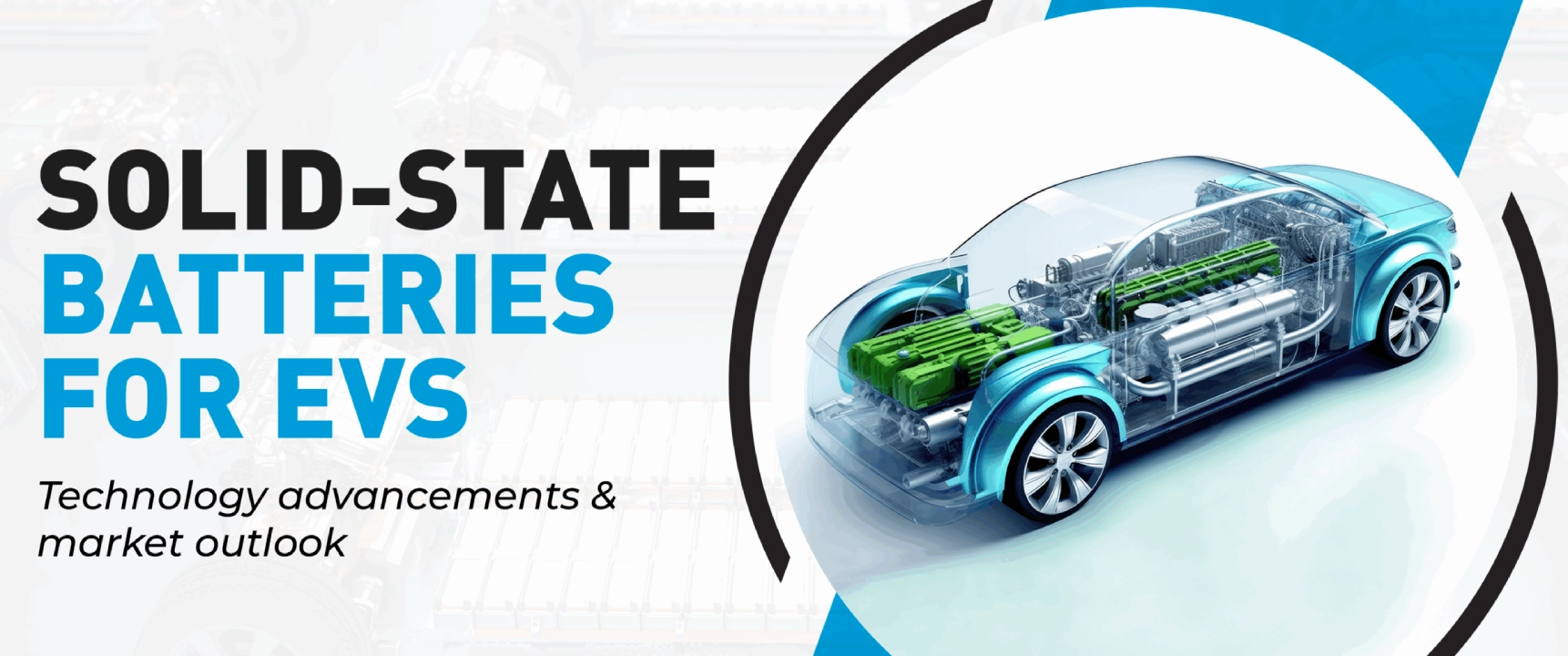
The impact of solid-state batteries on 2026 EVs is becoming one of the most discussed topics in the automotive and energy sectors. As electric vehicles continue to grow in popularity across the USA, UK, and global markets, battery technology remains the key factor influencing performance and adoption. Many users are now asking, “Will solid-state batteries replace lithium-ion batteries in 2026 EVs?” The answer lies in understanding how this new technology improves range, safety, and charging speed.
What is the impact of Solid-State batteries on 2026 EVs?
The impact of solid-state batteries on 2026 EVs refers to how this advanced battery technology changes the performance and efficiency of electric vehicles. Unlike traditional batteries that use liquid electrolytes, solid-state batteries use a solid material to transfer energy. This difference improves stability and reduces the risk of overheating. As a result, EV manufacturers are focusing heavily on this technology to build safer and more efficient vehicles. The shift toward solid-state batteries is considered a major step forward in the evolution of electric mobility.
Features of solid-state batteries
The impact of solid-state batteries on 2026 EVs is mainly driven by their advanced features. These batteries offer higher energy density, which means they can store more power in a smaller space. This leads to longer driving range without increasing battery size. They also support faster charging, reducing the waiting time for users.Another important feature is improved thermal stability. Solid-state batteries are less likely to overheat, making them safer than traditional lithium-ion batteries. These features make them highly attractive for future EV development.
How it Works
To understand the impact of solid-state batteries on 2026 EVs, it is important to know how they work.In a solid-state battery, the liquid electrolyte is replaced with a solid material. This solid layer allows ions to move between electrodes while maintaining stability. Because there is no liquid involved, the risk of leakage or fire is significantly reduced. This design also allows the use of more advanced materials, which improves efficiency and performance.
Benefits of solid-state batteries
The impact of solid-state batteries on 2026 EVs brings several benefits for users and manufacturers. One of the biggest advantages is increased driving range. EVs can travel longer distances on a single charge. Faster charging is another major benefit, as it reduces downtime for users. Safety improvements are also significant. With reduced risk of overheating, solid-state batteries provide a more reliable driving experience. Additionally, these batteries have a longer lifespan, which reduces replacement costs over time.
Latest Updates on solid-state batteries
The impact of solid-state batteries on 2026 EVs is already visible through ongoing developments by major automotive companies. Companies like Toyota and BMW are investing heavily in solid-state battery research. Some prototypes have already been tested, showing promising results in range and charging speed. While full commercial adoption may take more time, 2026 is expected to see early-stage implementation in selected EV models.
Comparison
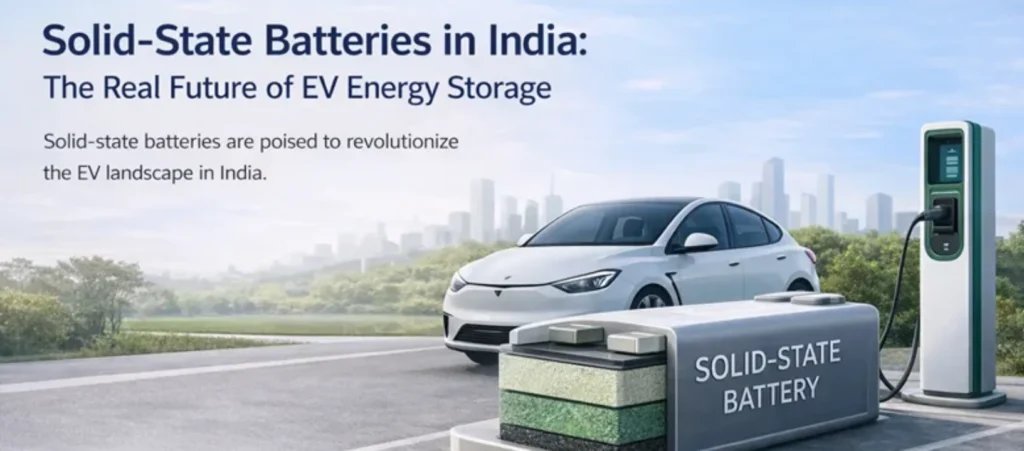
The impact of solid-state batteries on 2026 EVs becomes clearer when compared to traditional lithium-ion batteries. Lithium-ion batteries are widely used but have limitations such as lower energy density and safety concerns. Solid-state batteries improve on these aspects by offering better performance and reliability. However, lithium-ion batteries are still more affordable and easier to produce, which is why they continue to dominate the market for now.
Pros and Cons
The impact of solid-state batteries on 2026 EVs includes both advantages and challenges.
Pros:
- Higher energy density
- Faster charging
- Improved safety
- Longer battery life
Cons:
- Higher production cost
- Limited availability in 2026
- Manufacturing challenges
- Understanding these points helps in evaluating the real potential of this technology.
FAQs
1. Are solid-state batteries available in EVs in 2026?
Some early models may include them, but large-scale adoption will take more time.
2. Do solid-state batteries charge faster?
Yes, they are designed to significantly reduce charging time compared to lithium-ion batteries.
3. Are they safer than current batteries?
Yes, they have better thermal stability and lower risk of fire.
4. Will they reduce EV prices?
Not immediately, as production costs are currently high.
Also read: Gamers May Get Refunds After Sony PlayStation Store
When Is the Apple HomePod Mini 2 Coming
Top 10 Gaming Mechanical Keyboards
Conclusion
The impact of solid-state batteries on 2026 EVs represents a major advancement in electric vehicle technology. With improvements in range, safety, and charging speed, this innovation has the potential to transform the EV industry. While challenges like cost and production remain, the progress being made suggests a strong future for solid-state batteries. As technology continues to evolve, these batteries are likely to become a key component of next-generation electric vehicles worldwide.
Comment on “The Impact of Solid-State Batteries on 2026 EVs: Faster Charging and Safer Electric Future”