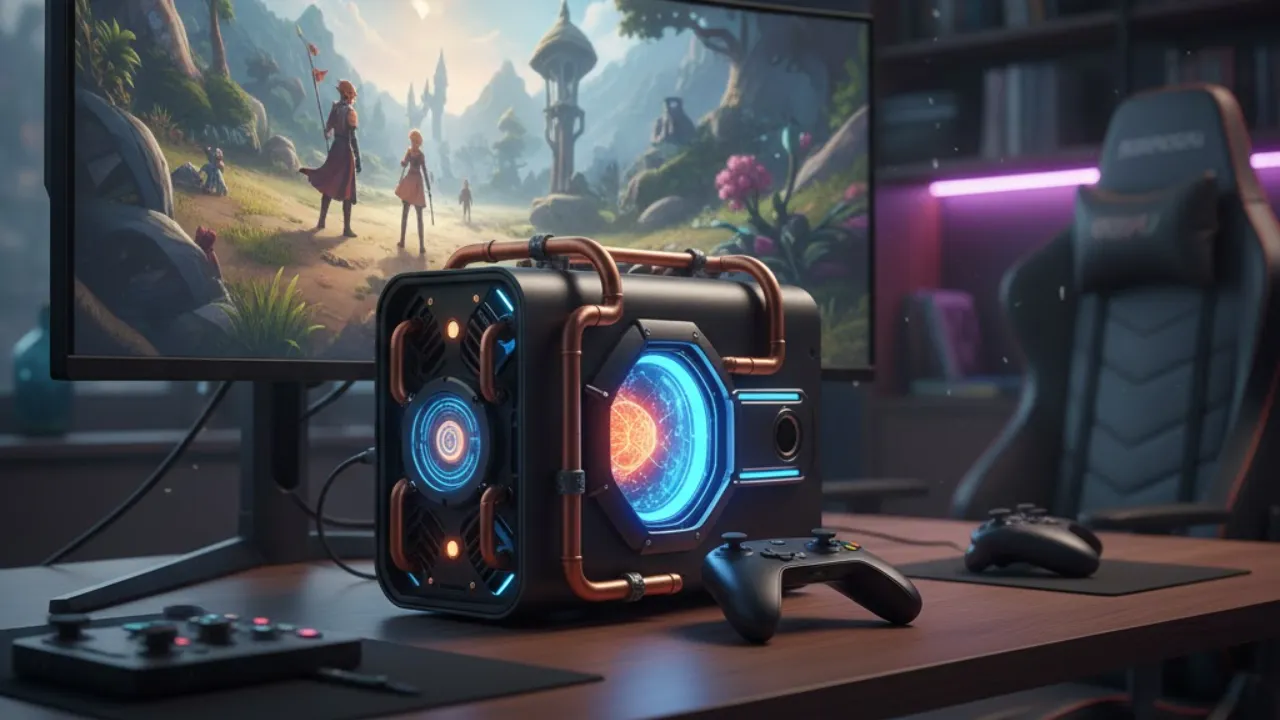
Valve has reportedly set a tentative mid-2026 release window for its much-anticipated Steam Machine, though an exact launch date is still under wraps. The delay, according to available information, is largely due to ongoing global supply chain issues. Shortages of key components like memory and storage have disrupted production timelines and pushed up manufacturing costs, making it harder for Valve to lock in final pricing.
Unlike traditional console makers that often sell hardware at a loss to build a massive user base, Valve is taking a different route. The company has made it clear that it wants sustainable pricing rather than a loss-leader strategy. This means the Steam Machine is expected to be positioned as a premium yet accessible gaming device, focusing on long-term value instead of short-term market capture.
Steam Machine TL;DR: What You Need to Know
Valve is aiming for a mid-2026 launch, though delays caused by supply chain disruptions remain a challenge. The Steam Machine is designed to blend PC-level performance with console-style convenience. Pricing is expected to fall between $700 and $850, depending on the configuration. The device promises 4K gaming at 60 FPS, support for FidelityFX Super Resolution (FSR), ray tracing, and HDMI Variable Refresh Rate (VRR). It will also feature upgradeable hardware, including SSD and RAM, making it a flexible long-term option.
Release Timeline and Key Challenges
The Steam Machine represents Valve’s vision of bringing high-performance PC gaming into the living room. While supply shortages have slowed progress, Valve appears committed to delivering a polished product that meets gamer expectations. The company is focusing on solving production issues without compromising on performance or build quality.
Expected Pricing Strategy
Industry analysts believe the Steam Machine will be priced between $700 and $850. This reflects the rising cost of high-end components like SSDs and RAM, which are central to its upgradeable design. Valve’s choice to avoid aggressive pricing reinforces its focus on quality, durability, and value over time.
Performance and Gaming Experience
Valve claims the Steam Machine will handle most Steam library titles at 4K resolution and 60 FPS. Technologies like FSR will help boost performance without sacrificing visual quality. For demanding games, users may need to tweak settings or drop to 1080p. Features like HDMI VRR and ray tracing aim to deliver smooth, visually rich gameplay.
Customization and Target Audience
Upgradeability is one of the Steam Machine’s biggest highlights. Users can swap out SSDs and RAM, and even customize the look with third-party faceplates. Designed mainly for PC gamers who want a living-room setup, the Steam Machine isn’t trying to replace PlayStation or Xbox. Instead, it aims to carve out its own space by offering flexibility, power, and deep integration with the Steam ecosystem.
Also Read
Upload One Video, Get 100 Shorts Overnight — This AI Tool Is Breaking YouTube Workflows
Apple Music 2026 Update Just Changed Everything — These Features Feel Like the Future
Wi-Fi vs 5G Battery Shock: One of Them Is Secretly Killing Your Phone