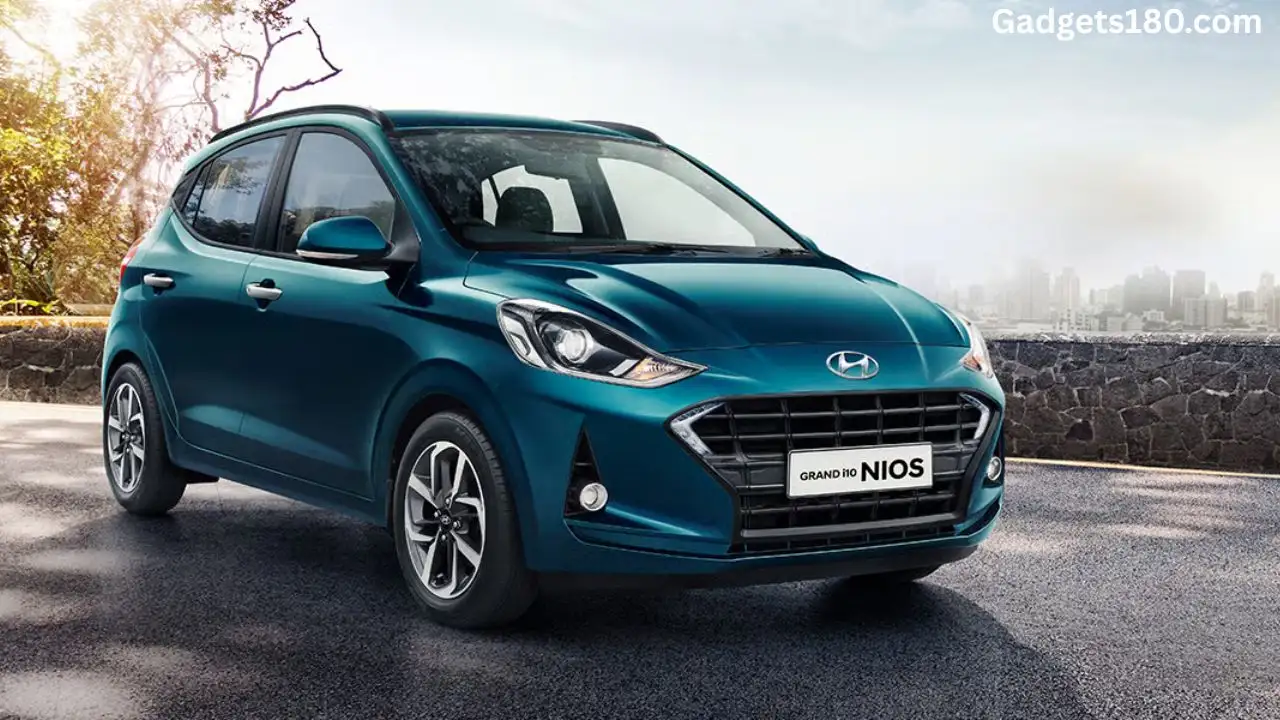
Hydrogen mobility refers to the use of hydrogen fuel to power vehicles like cars, buses, trucks, and trains. Instead of petrol or diesel, these vehicles use hydrogen fuel cells to generate electricity. Hydrogen mobility is seen as an important solution for clean and sustainable transportation in the future.
As countries try to reduce pollution and carbon emissions, hydrogen-powered vehicles are gaining attention worldwide.
What Is Hydrogen Mobility?
Hydrogen mobility means using hydrogen as a fuel to move vehicles. Most hydrogen vehicles use fuel cell technology.
How it works in simple words:
- Hydrogen is stored in a tank
- It reacts with oxygen inside a fuel cell
- This reaction produces electricity
- Electricity powers the electric motor
- The only waste is water vapor
This makes hydrogen vehicles environment friendly.
Types of Hydrogen Vehicles
There are mainly two types of hydrogen-powered vehicles:
1. Hydrogen Fuel Cell Electric Vehicles (FCEVs)
- Use hydrogen to produce electricity
- No pollution from the vehicle
- Quiet and smooth to drive
Example: Toyota Mirai, Hyundai NEXO
2. Hydrogen Internal Combustion Engines
- Burn hydrogen like petrol or diesel
- Lower emissions compared to fossil fuels
- Still under development
Benefits of Hydrogen Mobility
Hydrogen mobility offers many advantages:
- Zero tailpipe emissions (only water)
- Fast refueling (3–5 minutes)
- Long driving range compared to many EVs
- Quiet and smooth driving experience
- Suitable for heavy vehicles like trucks and buses
These benefits make hydrogen a strong option for future transport.
Hydrogen Vehicles vs Electric Vehicles
Both hydrogen vehicles and electric vehicles are clean, but they are different.
Hydrogen vehicles:
- Refuel very fast
- Longer range
- Need hydrogen stations
Electric vehicles:
- Need charging time
- Easier charging at home
- Strong charging network growing fast
In the future, both technologies may work together, depending on use cases.
Challenges of Hydrogen Vehicles
Despite its benefits, mobility faces some challenges:
- Limited hydrogen refueling stations
- High cost of hydrogen production
- Expensive fuel cell technology
- Storage and transportation challenges
These issues need improvement before hydrogen vehicles become common.
Hydrogen vehicles in India
India is slowly moving toward hydrogen mobility.
Key developments:
- Government focus on Green Hydrogen Mission
- Pilot projects for hydrogen buses and trucks
- Research on hydrogen production and storage
Hydrogen can play a big role in public transport and heavy vehicles in India.
Global Adoption of Hydrogen Vehicles
Many countries are investing in hydrogen technology.
Leading regions:
- Japan
- South Korea
- Europe
- USA
Automakers like Toyota, Hyundai, BMW, and Honda are actively developing hydrogen vehicles.

Future of Hydrogen Vehicles
The future of hydrogen mobility looks promising but gradual.
Expected trends:
- Lower hydrogen production costs
- Better fuel cell technology
- More refueling stations
- Use in trucks, buses, trains, and ships
Hydrogen mobility is expected to grow mainly in commercial and long-distance transport.
Who Will Benefit?
Hydrogen mobility is best for:
- Long-distance drivers
- Heavy transport vehicles
- Public buses and fleets
- Areas where charging is difficult
Conclusion
Hydrogen mobility is a clean and powerful transportation solution that produces zero pollution and offers fast refueling and long driving range. While challenges still exist, strong government support and technological progress can make hydrogen a key fuel of the future.
Hydrogen mobility may not replace electric vehicles completely, but it will play an important role in global clean transportation.
Frequently Asked Questions (FAQs)
Q1. What is hydrogen mobility?
Hydrogen mobility is the use of hydrogen fuel to power vehicles through fuel cell technology.
Q2. Are hydrogen vehicles pollution-free?
Yes, hydrogen fuel cell vehicles produce only water vapor, making them pollution-free at the tailpipe.
Q3. How long does it take to refuel a hydrogen vehicle?
Refueling a hydrogen vehicle usually takes 3 to 5 minutes.
Q4. Is hydrogen better than electric vehicles?
Both have advantages. Hydrogen offers fast refueling and long range, while EVs have better charging availability.
Q5. Is hydrogen mobility available in India?
Hydrogen mobility is still in the early stage in India, with pilot projects and government initiatives underway.