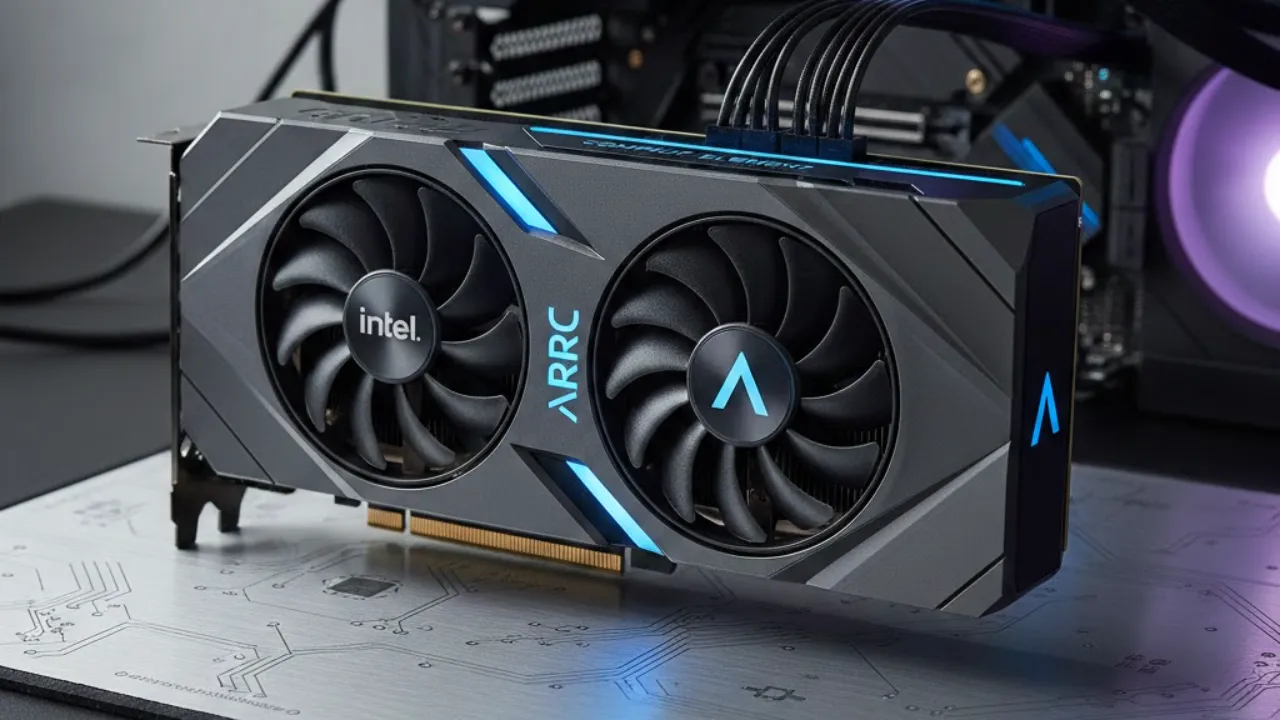
Can a $100 graphics card actually change your gaming experience? The answer might surprise you. The Intel Arc A380, once considered a basic entry-level GPU, is suddenly getting attention from PC gamers thanks to an unexpected boost: unofficial XeSS Multi-Frame Generation running in X4 mode.
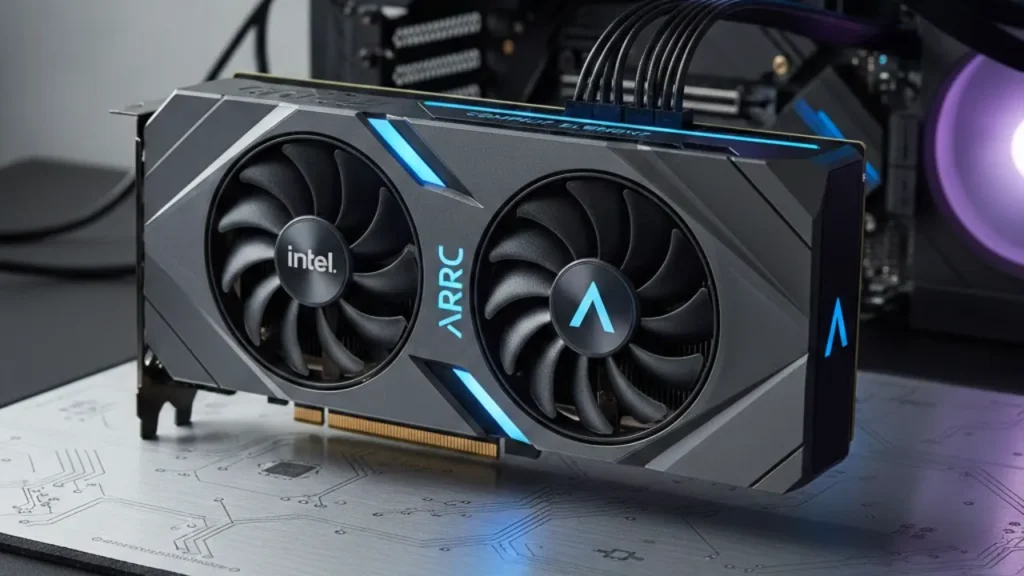
What was originally viewed as a modest 1080p card for casual gaming is now demonstrating performance jumps that rival much more expensive GPUs. A hands-on breakdown by ETA PRIME shows how a clever workaround unlocks Intel’s AI frame generation tech on hardware that technically isn’t supposed to support it — and the results are dramatic.
A Budget GPU with Hidden Potential
The Arc A380 is a low-profile, dual-slot GPU featuring 6GB of VRAM and 8 Xe cores. It was designed primarily for lightweight 1080p gaming and small form factor PCs, making it ideal for compact builds where space is limited. At launch, the card struggled to compete with similarly priced options from Nvidia and AMD. Performance was acceptable, but nothing groundbreaking.
That perception is now changing.
With the help of XeSS Multi-Frame Generation, the A380 is showing performance levels no one expected from a sub-$130 graphics card. This AI-driven system generates additional frames between rendered frames, effectively multiplying perceived performance without requiring stronger hardware.
What XeSS X4 Actually Does
XeSS Multi-Frame Generation works similarly to other AI frame interpolation systems: it predicts and inserts extra frames to smooth gameplay. The X4 mode is the most aggressive setting, capable of quadrupling the frame output in supported titles.
And the real-world numbers are eye-catching:
- Cyberpunk 2077: jumps from ~41 FPS to 120+ FPS
- Hogwarts Legacy: increases from ~58 FPS to 140+ FPS
- Japanese Drift Master: climbs from ~42 FPS to 120+ FPS
For a GPU in this price class, those gains are extraordinary. It turns the A380 from a “budget compromise” into something that feels genuinely smooth in modern games.
The Catch: It’s Unofficial
There’s an important disclaimer: XeSS X4 is not officially supported on the Arc A380.
Enabling it requires a manual workaround. Users must install updated drivers, perform a clean installation using DDU, and replace certain driver files to unlock the feature. It’s not beginner-friendly and carries some risk. Mistakes could cause instability or driver conflicts.
This is a community-driven tweak, not an officially endorsed feature. That means updates could break compatibility, and long-term support isn’t guaranteed.
Still, for enthusiasts willing to experiment, the payoff can be huge.
Performance vs Input Lag
There’s also a trade-off to consider. Higher frame generation settings introduce additional latency. While the visuals become smoother, input responsiveness can suffer — especially in fast-paced or competitive games.
For some players, X4 mode may feel less responsive. Lower modes like 2x or 3x generation offer a more balanced compromise. Intel’s low-latency options help reduce the impact, but the difference is still noticeable depending on the game and player sensitivity.
Casual gamers may love the smoothness. Competitive players may prefer restraint.
Why This Matters for Budget Gaming
The bigger story here isn’t just one GPU. It’s what this means for entry-level gaming hardware.
At $99–$130, the Arc A380 becomes one of the most interesting value cards on the market when paired with XeSS frame generation. It’s especially attractive for:
- Small form factor PC builders
- Budget gaming rigs
- Living room or HTPC setups
- First-time PC gamers
Intel’s continued expansion of XeSS support — already present in dozens of games — suggests that software-driven performance boosts could reshape how we evaluate budget GPUs. Instead of relying purely on raw horsepower, AI acceleration is becoming a performance multiplier.
A New Perspective on Affordable Gaming
The Arc A380 was never meant to dominate benchmarks. But with XeSS Multi-Frame Generation, it demonstrates how software innovation can extend the life and capability of entry-level hardware.
It’s not perfect. It requires tinkering. It introduces trade-offs. And it’s unofficial.
Yet it proves something important: affordable gaming hardware doesn’t have to feel outdated. With the right tools, even a small, low-profile GPU can deliver surprisingly modern performance.
For budget-conscious gamers — especially those building compact systems — that’s a compelling shift in what’s possible.
Also Read
This Titanium Pocket Tool Replaces 5 Gadgets — And It Fits on Your Keychain
iPhone 17e Leak Shocker: Apple Fixes What Everyone Hated About the 16e
Apple’s 2026 AirPods Pro Leak: Infrared Cameras Could Change Wireless Earbuds Forever